Green buildings are entering a new phase. International standards are shifting away from a narrow focus on energy savings and moving toward a bigger question: How much carbon a building creates across its entire life?.
This shift is especially relevant for investors, industrial park developers, and manufacturers operating in export-facing supply chains, where sustainability expectations increasingly influence business decisions.
The global construction sector is under pressure to cut emissions. Research often cited in industry discussions shows that building construction and operations account for about 37% of global CO₂ emissions. That reality is pushing green building standards to measure impact more broadly than before.
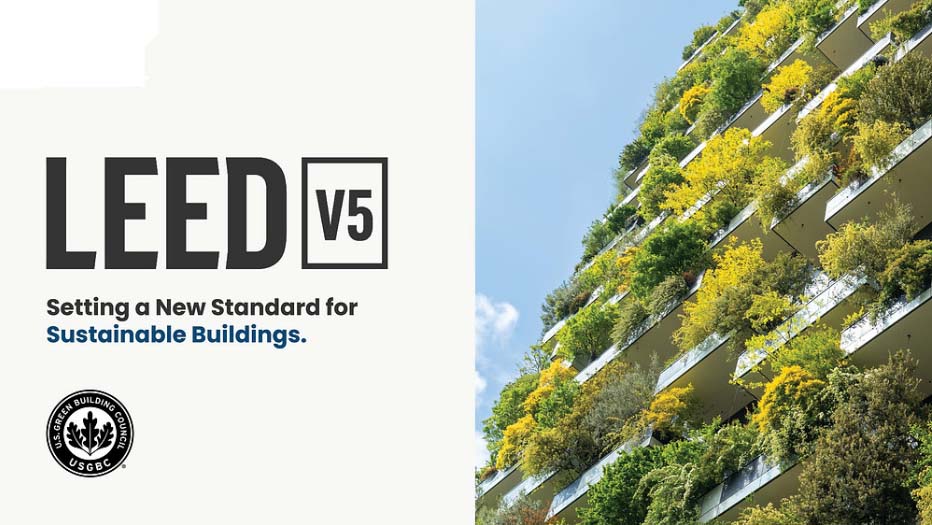
LEED, developed by the U.S. Green Building Council (USGBC), has introduced a new direction in its latest version, LEED v5.
In earlier versions such as LEED v4, life-cycle considerations were already present. LEED v5 makes the focus far more explicit: reducing carbon emissions across the full life cycle of a building, including:
Emissions from producing construction materials
Emissions during construction
Emissions during operation
Emissions linked to maintenance over the building’s lifetime
In practical terms, green building is becoming less about “operating efficiency” alone and more about managing environmental impact from start to finish.
One of the most important changes is that responsibility expands into the building materials supply chain. This is not an abstract concept. It is being shaped by three real-world forces:
Export market expectations
Environmental requirements in key markets such as Europe and North America are increasingly becoming part of business cooperation conditions. For industrial real estate and manufacturing, this can influence tenant requirements, supplier selection, and project positioning.
Government pressure on emissions reporting
As more countries move toward greenhouse-gas inventories and reduction pathways, businesses are expected to measure and disclose more environmental data tied to production and operations.
Competition for international tenants and capital
In industrial real estate, certified green buildings can make it easier to attract international tenants and investors who apply sustainability filters to site and facility decisions.
Even with a clear direction, execution still faces constraints.
Mismatch between international standards and local technical rules
Some natural or new materials can reduce carbon impact, yet they may struggle to meet certain domestic technical requirements, such as fire safety regulations.
Higher upfront cost perceptions
Green buildings can require higher initial investment compared with conventional projects. Industry experts note that cost gaps often stay manageable when green strategies are built into the project from the design stage. Over time, lower operating costs can help offset the difference.
LEED v5 is set to become mandatory after 30 June 2026. For developers planning new projects or manufacturers negotiating facilities, that deadline matters. It affects design decisions, material selection, and documentation requirements earlier than many teams expect.
LEED is one of the most widely used green building certification systems globally. It evaluates projects across areas such as:
Energy performance
Water use
Sustainable materials
Indoor environmental quality
Certification levels include:
Certified
Silver
Gold
Platinum
In Vietnam, LEED is most commonly applied to factories, logistics warehouses, office buildings, and selected commercial real estate projects.
For industrial developers and export-linked manufacturers, LEED v5 signals a straightforward shift in expectations.
Success will depend less on isolated upgrades and more on an integrated approach that connects design, materials, construction, and operations into one measurable, low-carbon plan.
Projects that adapt early will find it easier to align with international tenant standards, supply-chain screening requirements, and investor sustainability criteria as the market moves closer to the 30 June 2026 threshold.
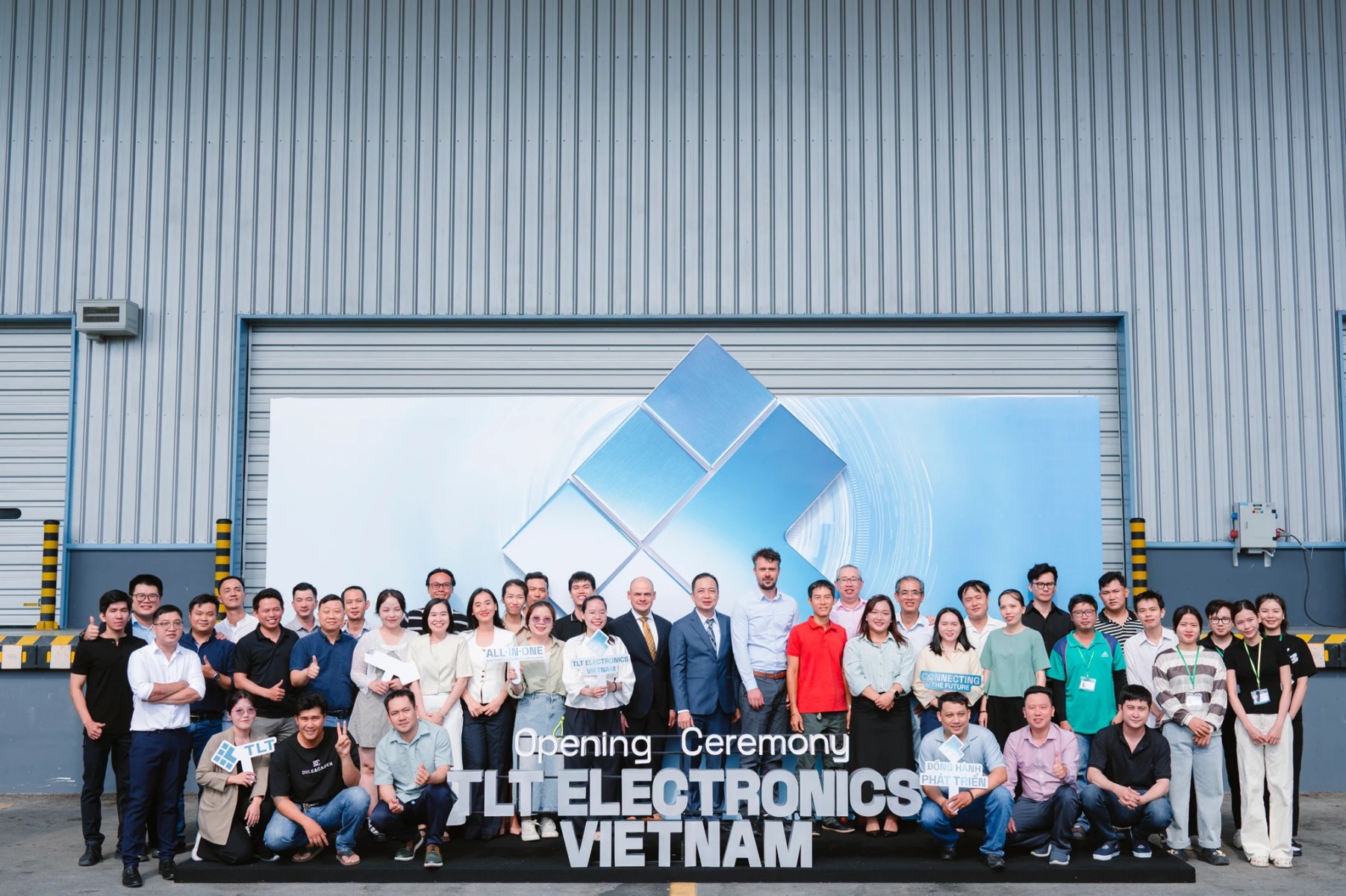
TLT Manufacturing opened its first Vietnam plant on May 5, 2026 in Tay Ninh. Operating as TLT Electronics Vietnam, the facility adds SMT, THT, laser marking, X-ray inspection and quality control capacity, giving customers an Asian electronics manufacturing option alongside TLT’s European operations.
Friday, 15 May, 2026
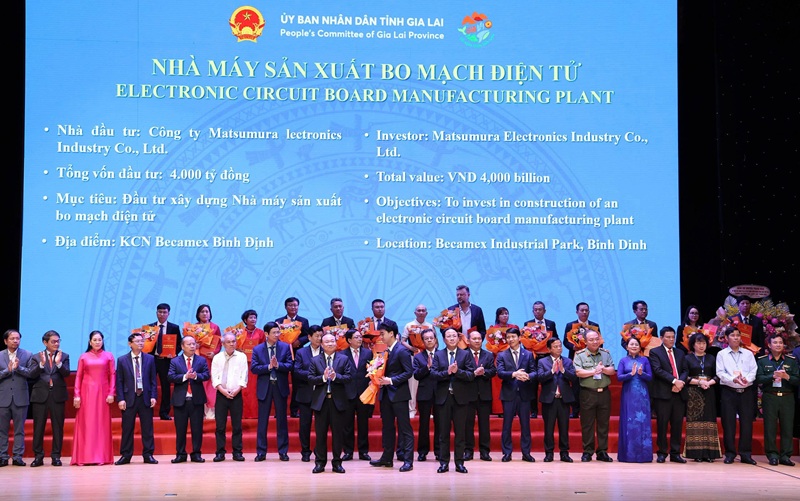
Matsumura Electronics Industry Co., Ltd is planning a printed circuit board manufacturing project at Becamex VSIP Binh Dinh Industrial Park with a land area of 18.4 hectares and total investment of USD 156.4 million, equivalent to VND 4,000 billion. The project stands out as one of the notable investment commitments announced at the Gia Lai Investment Promotion Conference 2026, highlighting growing interest in high value-added manufacturing at the industrial park.
Friday, 10 Apr, 2026
Vietnam’s export story is often told from the demand side. The supply side tells a more complex story. In the first nine months of 2025, imports of key industrial inputs surged alongside export growth. The largest increases came from machinery, equipment, electronic products, components, plastics, and industrial metals.
Friday, 12 Dec, 2025
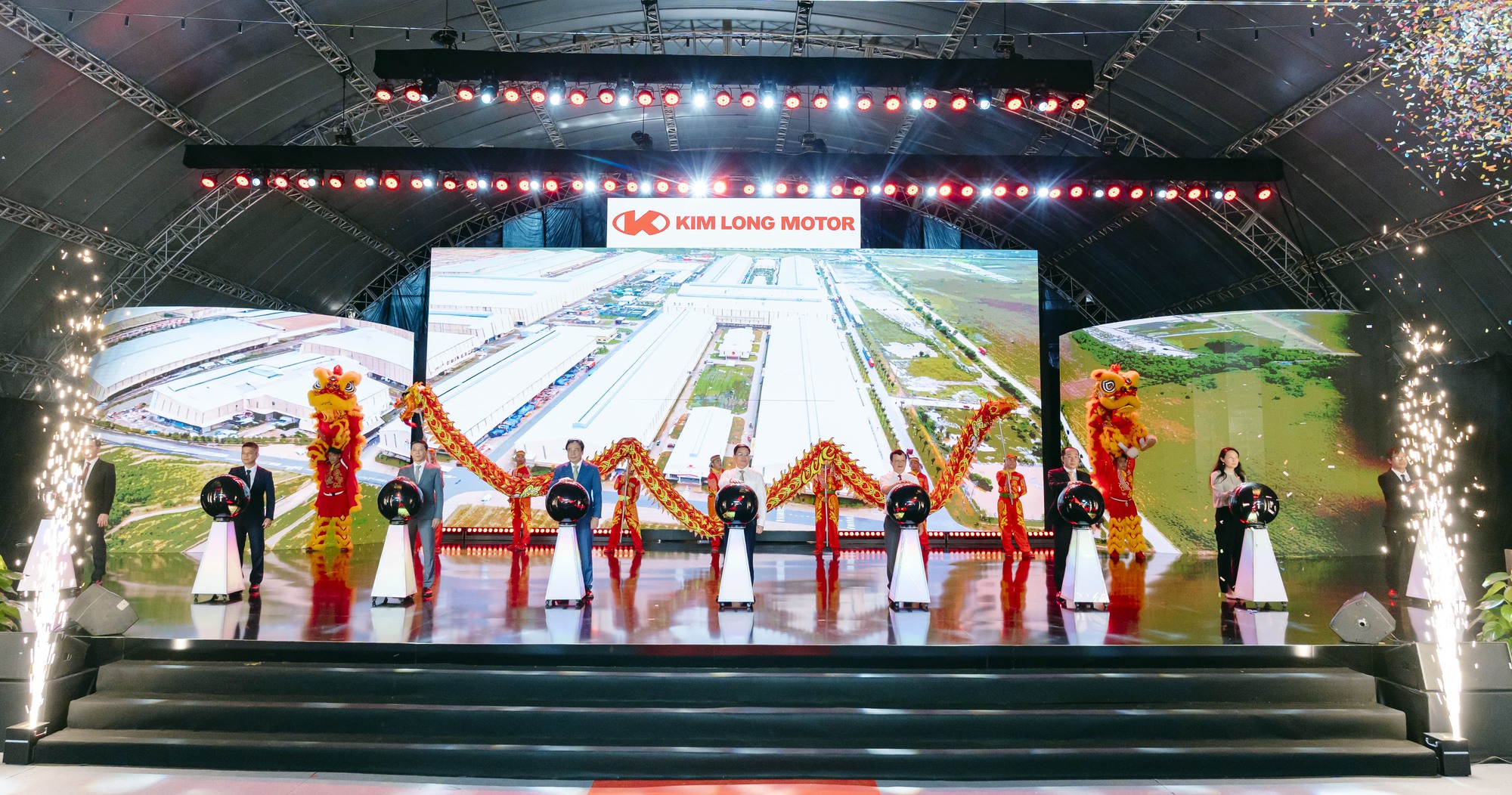
On March 17, Kim Long Motor held the inauguration ceremony for its new truck manufacturing plant at the Kim Long Motor Hue automobile production and assembly industrial zone, alongside the launch of new Kim Long–branded truck models.
Wednesday, 18 Mar, 2026
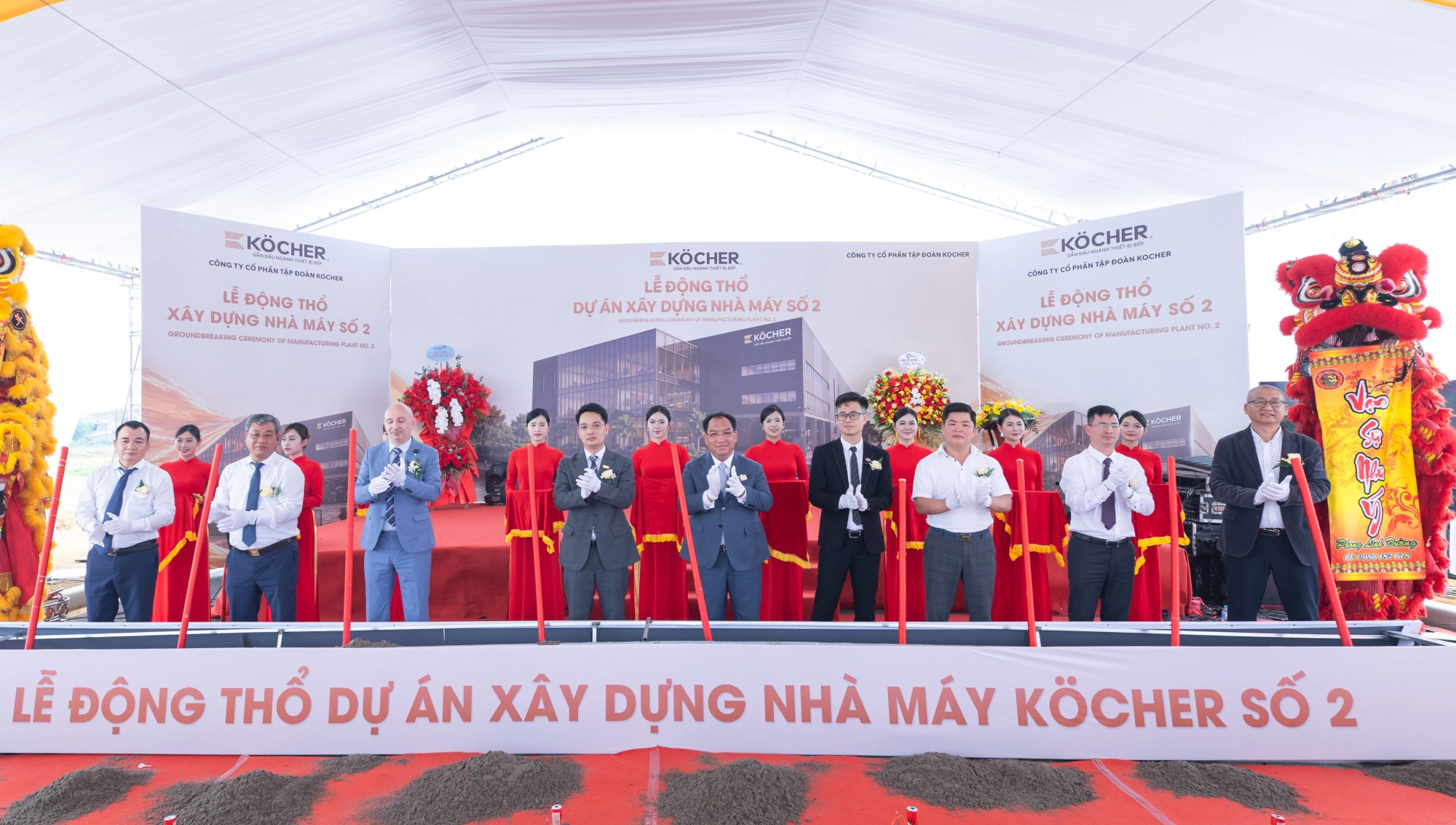
Köcher has started building its second kitchen appliance factory in Vietnam at Phu Son Industrial Park. The 25,000m² plant will produce induction cookers, range hoods, dishwashers, and related products, supporting stronger production capacity, quality control, and global market expansion.
Wednesday, 06 May, 2026
The go-to platform for Expert Voices. Get to know more about the people behind the business. Book to meet with the right experts for your business needs.
Service detailThe go-to Community for Industrial growth. Meet, interact, showcase and find opportunities with professionals across different industries, across borders.
Service detail