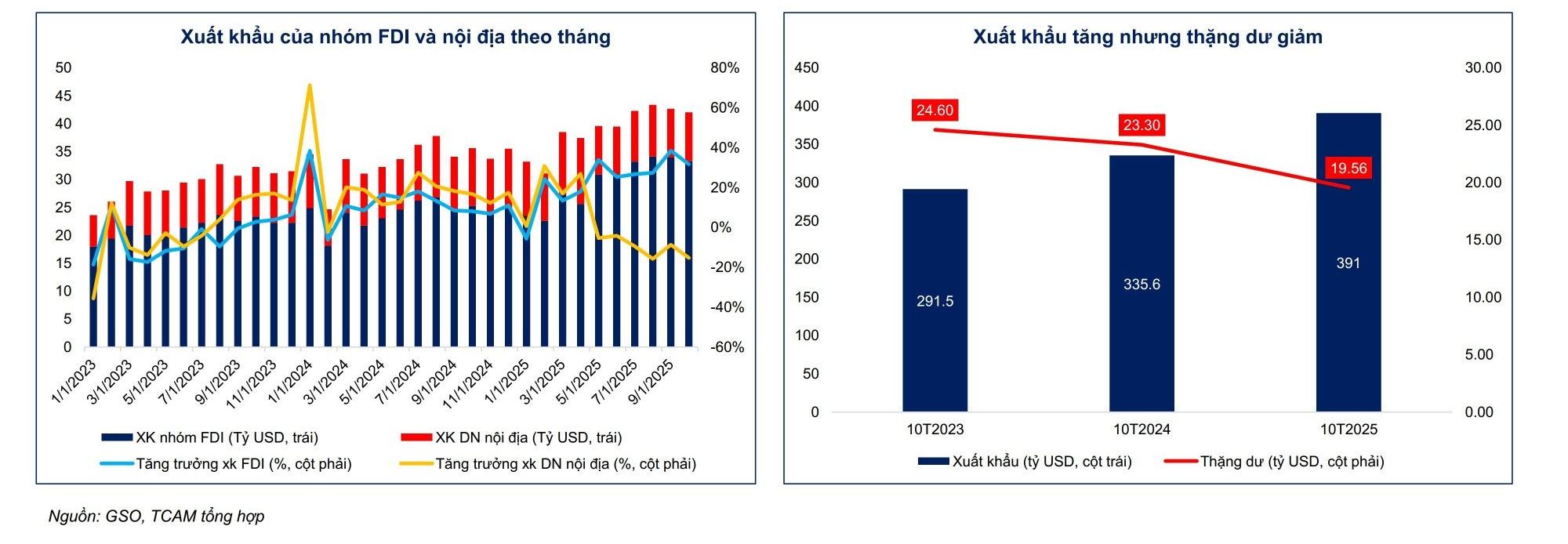
On a monthly basis, FDI manufacturers consistently account for the majority of export value. In several peak months, FDI exports exceeded USD 30 billion, while domestic enterprises contributed less than half of that figure. More importantly, FDI export growth rates remain higher and more stable over time.
This leadership gap persists even as total exports reach record levels.
The reason becomes clearer when looking at product structure. High-growth export categories such as electronics, machinery, and high-tech manufacturing rely heavily on imported inputs and globally integrated supply chains. These are areas where FDI manufacturers enter Vietnam with existing supplier networks, capital scale, and operational systems already in place. Domestic firms, by contrast, are more concentrated in lower tiers of the value chain or in sectors with slower export growth.

As FDI exports expand, demand for local suppliers in packaging, supporting components, maintenance, logistics, and secondary manufacturing increases. The challenge for domestic firms is meeting the standards required to plug into these supply chains.
Capability alignment matters more than size. Quality consistency, delivery reliability, compliance, and scalability are the entry tickets.
Industrial parks play a decisive role here. Parks that actively connect FDI tenants with capable local suppliers help narrow this gap and strengthen the overall ecosystem.
.jpg)
FDI dominance in exports is not temporary. It is structural. Domestic firms that position themselves accordingly can benefit directly from this reality.
Manufacturing.com.vn helps domestic manufacturers connect with export-driven FDI ecosystems.
“Manufacturing is the Heart of the Industrial Sector. And we are proud to dedicate ourselves to empowering its Development with Clarity, Expertise, and Practical Solutions.” - Minh Truong, Founder of Manufacturing.com.vn.
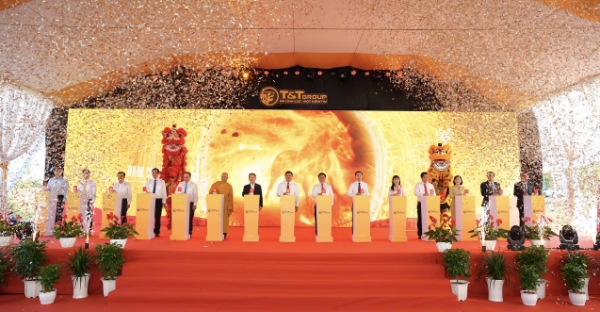
On March 30, 2026, T&T Group officially broke ground on the Vam Cong Industrial Park infrastructure development project in My Thoi Ward, An Giang Province. With a scale of 199.2 hectares and total investment of VND 4,800 billion, the project is positioned as a key industrial infrastructure milestone—aimed at shaping a new-generation industrial park that is green, modern, multi-functional, and sustainable in the Mekong Delta.
Tuesday, 31 Mar, 2026
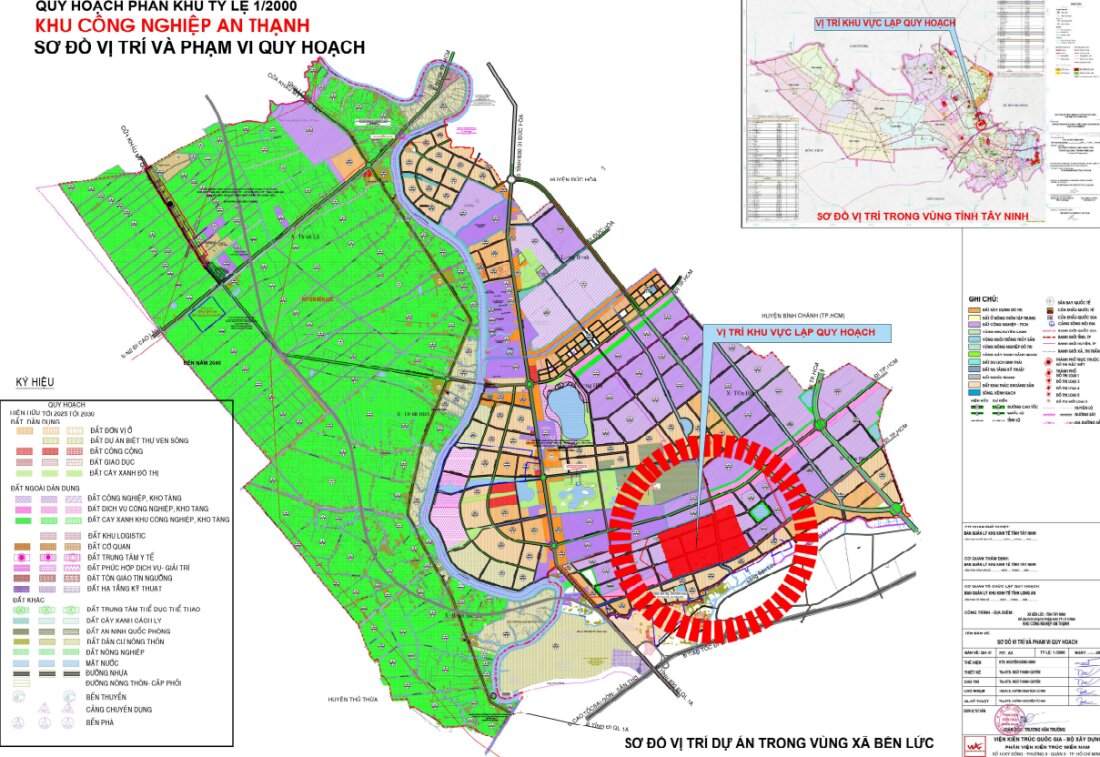
Tay Ninh has approved An Thanh Industrial Park Phase 1 under Decision No. 5820/QĐ-UBND dated April 6, 2026. The 264.3-hectare project in Ben Luc commune has more than VND4.795 trillion in investment and is oriented toward green, high-tech, multi-sector industrial development.
Friday, 24 Apr, 2026
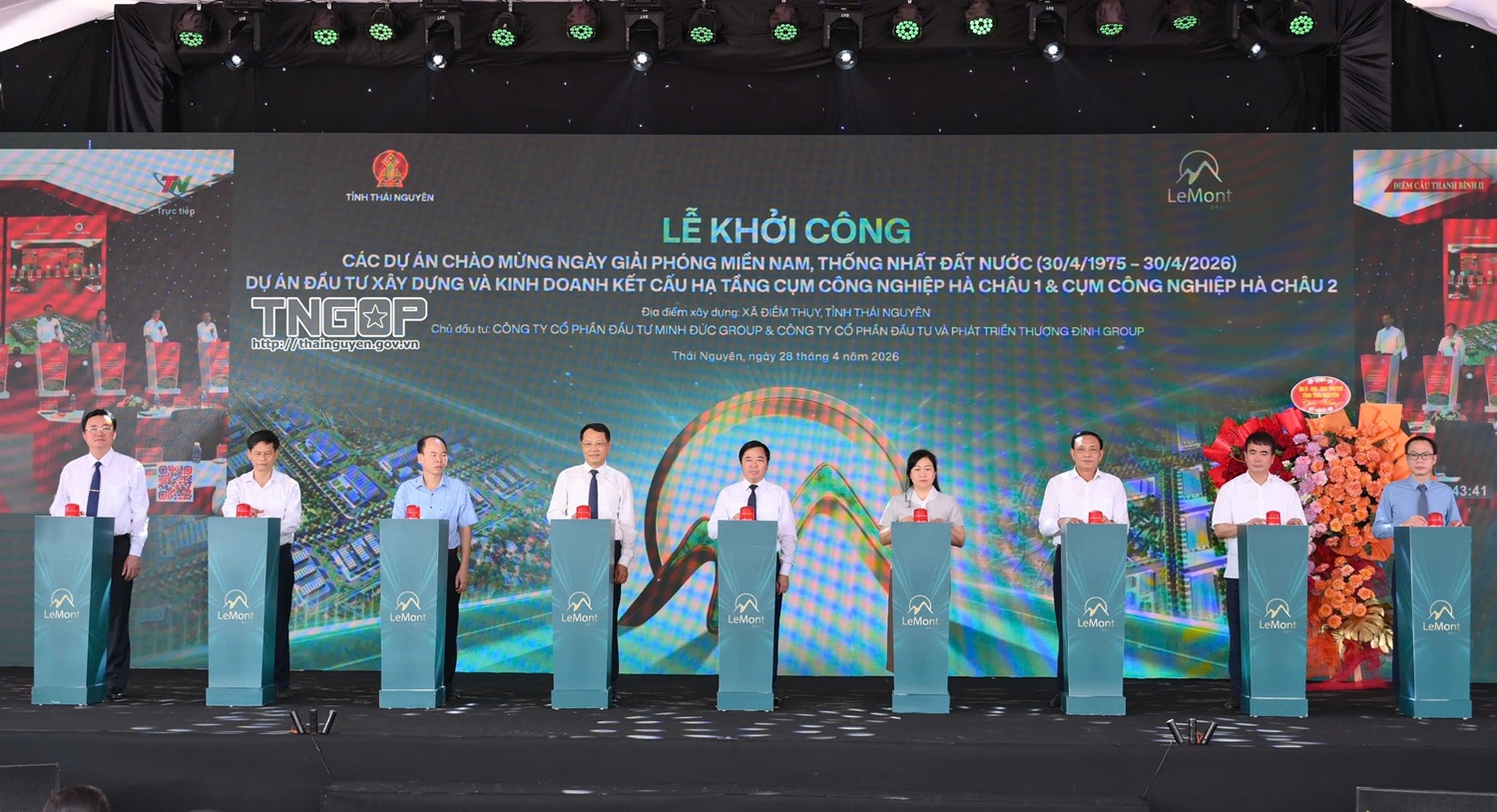
Thai Nguyen has broken ground on two Le Mont Ha Chau industrial cluster projects in Diem Thuy commune, with a total planned area of over 100 hectares. The projects matter because they add industrial land, modern infrastructure and investment-ready space for manufacturers, logistics users and secondary investors.
Wednesday, 29 Apr, 2026
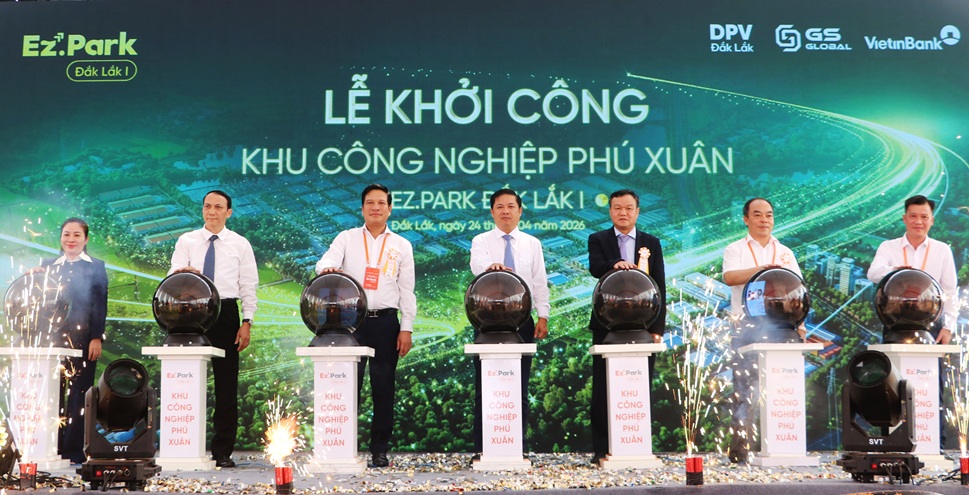
Phu Xuan Industrial Park has broken ground in Dak Lak with a total planned area of 313.03 hectares and nearly VND 2.477 trillion in investment. The project targets manufacturing, high-tech sectors and green planning, while supporting local employment and the province’s industrial restructuring.
Saturday, 25 Apr, 2026
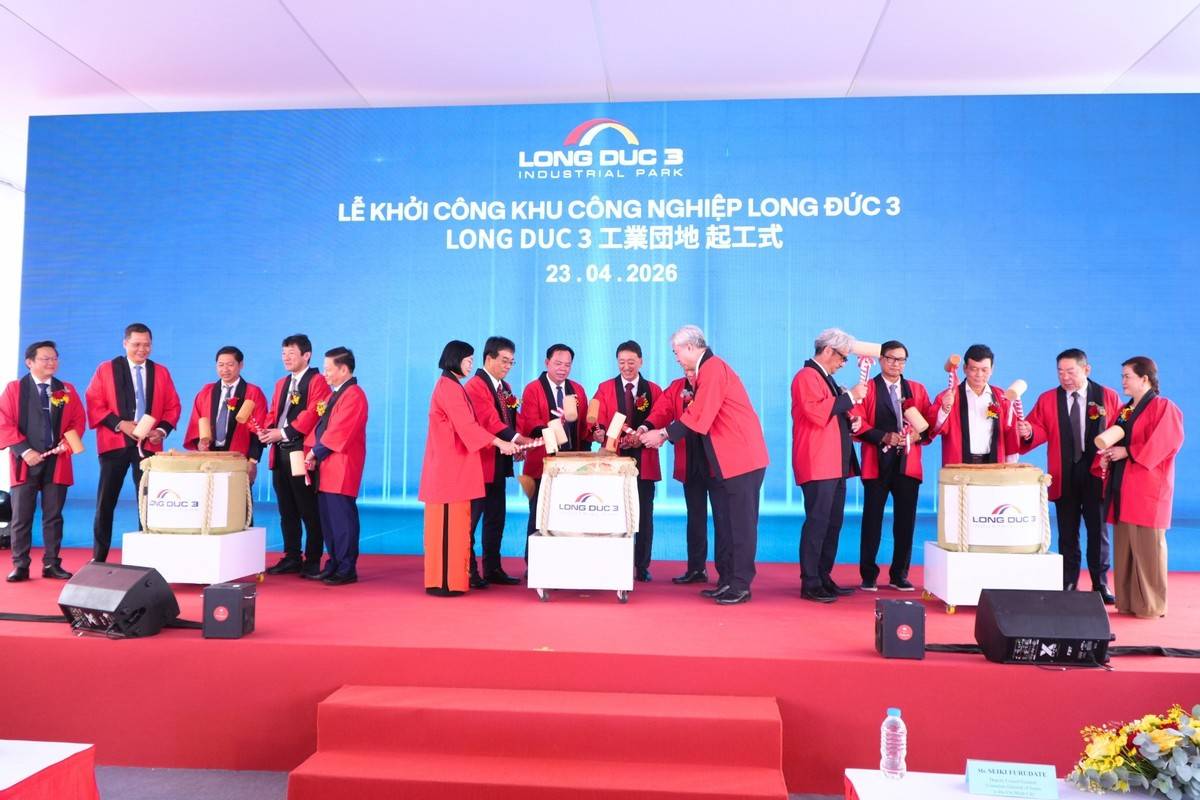
Long Duc 3 Industrial Park is a 244-hectare project in Dong Nai province with about VND1.8 trillion in investment. Located near Long Thanh International Airport, it is designed to attract high-tech industries, logistics operators and strategic investors seeking green, modern industrial infrastructure in Vietnam.
Friday, 24 Apr, 2026
The go-to platform for Expert Voices. Get to know more about the people behind the business. Book to meet with the right experts for your business needs.
Service detailThe go-to Community for Industrial growth. Meet, interact, showcase and find opportunities with professionals across different industries, across borders.
Service detail