POSCO Future M is moving to expand its global battery-materials footprint with a major new investment in Vietnam, following what the company described as the largest anode-material contract since it entered the business.
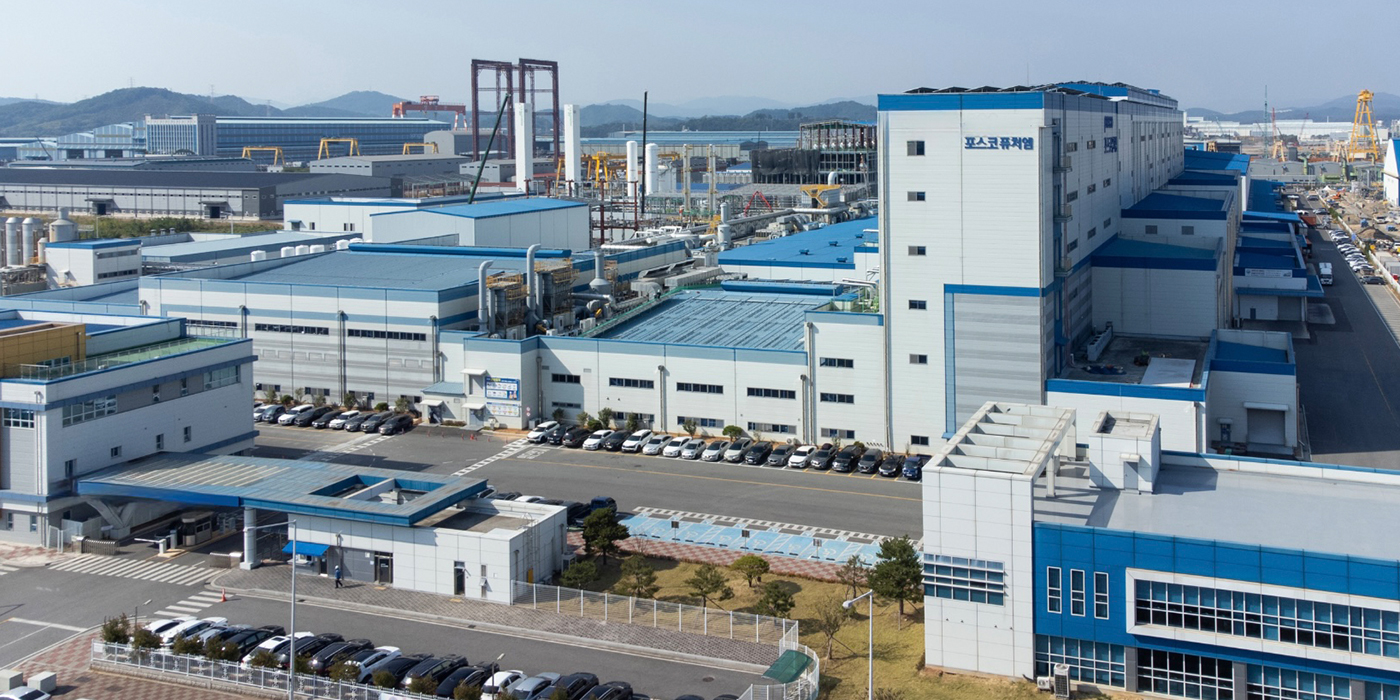
According to Korean media reports citing an announcement dated March 16, POSCO Future M has secured a contract worth around KRW 1 trillion (about USD 668 million) to supply battery materials to an unnamed global automaker.
Under the five-year agreement (2027–2032), the company will provide synthetic graphite anode material, a critical component in electric vehicle batteries.
The contract is described as POSCO Future M’s biggest since it entered the anode-material sector in 2011, with a customer base that has included domestic battery makers, GM, and other global clients.
To support this large-scale order, POSCO Future M plans to invest about KRW 357 billion (around VND 6.3 trillion) to build a synthetic graphite anode manufacturing plant in Thai Nguyen, Vietnam.
The company expects construction to start in the second half of this year, with mass production targeted for 2028.
The plant will be built on a site capable of supporting production capacity of up to 55,000 tons, with further phased expansion planned as additional orders come in.
Synthetic graphite anode material is widely used to improve fast-charging performance and extend battery lifespan. Demand has been rising steadily, while heavy reliance on a limited number of countries has made supply chain diversification a growing priority for the industry.
POSCO Future M currently operates a synthetic graphite anode plant in Pohang (Gyeongsangbuk-do, South Korea) with an annual production capacity of 8,000 tons.
Building on the production experience developed domestically, the company says it aims to manufacture competitively priced products in Vietnam for global customers.
“Việt Nam sở hữu những lợi thế đáng kể trong việc giảm chi phí đầu tư, điện năng, nhân công và logistics, với cơ cấu chi phí vẫn cạnh tranh ngay cả so với các nước Đông Nam Á khác như Indonesia” – POSCO đánh giá – “Quốc gia này cũng được hưởng lợi từ cơ sở hạ tầng công nghiệp phát triển tốt, bao gồm cả lưới điện ổn định, và đang tích cực vun đắp các điều kiện thương mại thuận lợi với các thị trường lớn, trong đó có Hoa Kỳ, thông qua chiến lược tăng trưởng kinh tế dựa vào xuất khẩu”.
The company has continued to secure major supply commitments over the past year:
July 2025: a supply contract with a major Japanese battery manufacturer
October 2025: a synthetic graphite anode supply deal worth around KRW 670 billion with a global automaker
With the latest agreement, POSCO Future M says it has secured customers for its Phase 1 investment and expects to proceed with Phase 2 investment to meet additional demand in the future.
POSCO Future M is described as the only Korean company producing graphite-based anode material. It has led efforts to stabilize the domestic battery-materials supply chain, starting with localization in 2011, and establishing mass production capabilities after completing its synthetic graphite anode plant in Pohang in 2021.
For investors and industry observers, the Thai Nguyen project highlights a clear trend: Vietnam continues to attract higher-value, export-oriented battery supply chain manufacturing, supported by cost competitiveness, industrial infrastructure readiness, and the ability to scale capacity through phased expansions tied to real orders.
According to VinaCapital, Vietnam continues to maintain a strong competitive advantage in manufacturing. Factory worker wages average around USD 302 per month, which is significantly lower than in China, Taiwan, and South Korea, yet still higher than several ASEAN countries such as the Philippines, Cambodia, or Bangladesh. This labor cost is still one of the attractive factors reinforcing Vietnam’s position as an attractive destination for supply chain relocation and manufacturing expansion.
Thursday, 27 Nov, 2025
On the morning of December 25, Gainwell Vietnam Wood Co., Ltd. held the groundbreaking ceremony for its high-end interior and exterior furniture manufacturing plant at the Nhon Hoi Economic Zone (Quy Nhon Dong Ward, Gia Lai Province). The project has a total investment of over VND 280 billion and a designed production capacity of 800,000 products per year, targeting compliance with international standards in product quality, occupational safety, and environmental protection.
Saturday, 20 Dec, 2025
On March 13, 2026, KPF Vietnam officially broke ground on its second manufacturing facility in Hai Phong, marking a clear step in scaling its production footprint in Vietnam.
Friday, 20 Mar, 2026
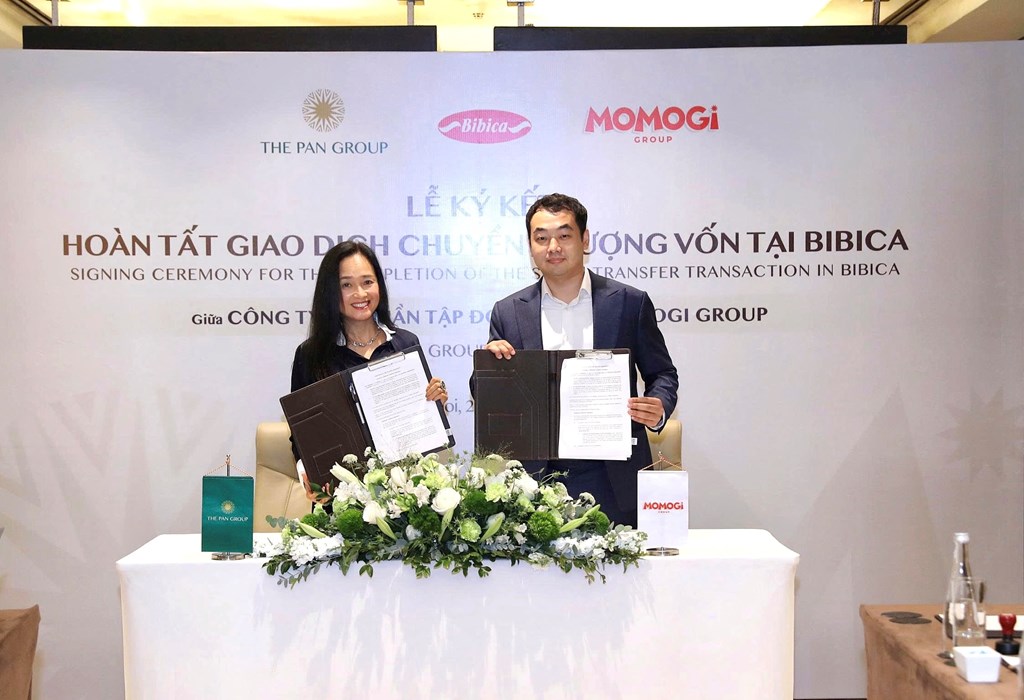
PAN Group (HOSE: PAN) has completed the transfer of its stake in Bibica, marking a major ownership change for one of Vietnam’s long-established confectionery brands. The transaction was executed through the sale of PAN’s entire capital contribution in Bibica Capital LLC to Momogi Group VN LLC, a member of Indonesia’s Momogi Group.
Tuesday, 31 Mar, 2026
Vietnam’s export growth is being led overwhelmingly by foreign-invested enterprises. On a monthly basis, FDI manufacturers consistently account for the majority of export value. In several peak months, FDI exports exceeded USD 30 billion, while domestic enterprises contributed less than half of that figure. More importantly, FDI export growth rates remain higher and more stable over time.
Friday, 12 Dec, 2025
The go-to platform for Expert Voices. Get to know more about the people behind the business. Book to meet with the right experts for your business needs.
Service detailThe go-to Community for Industrial growth. Meet, interact, showcase and find opportunities with professionals across different industries, across borders.
Service detail