A Shenzhen forum highlighted the shift of Chinese manufacturing to Vietnam and Malaysia, driven by cost and policy advantages. Industrial parks and newly formed committees aim to support investors with structured entry, local coordination, and compliance guidance, strengthening regional supply chain integration.

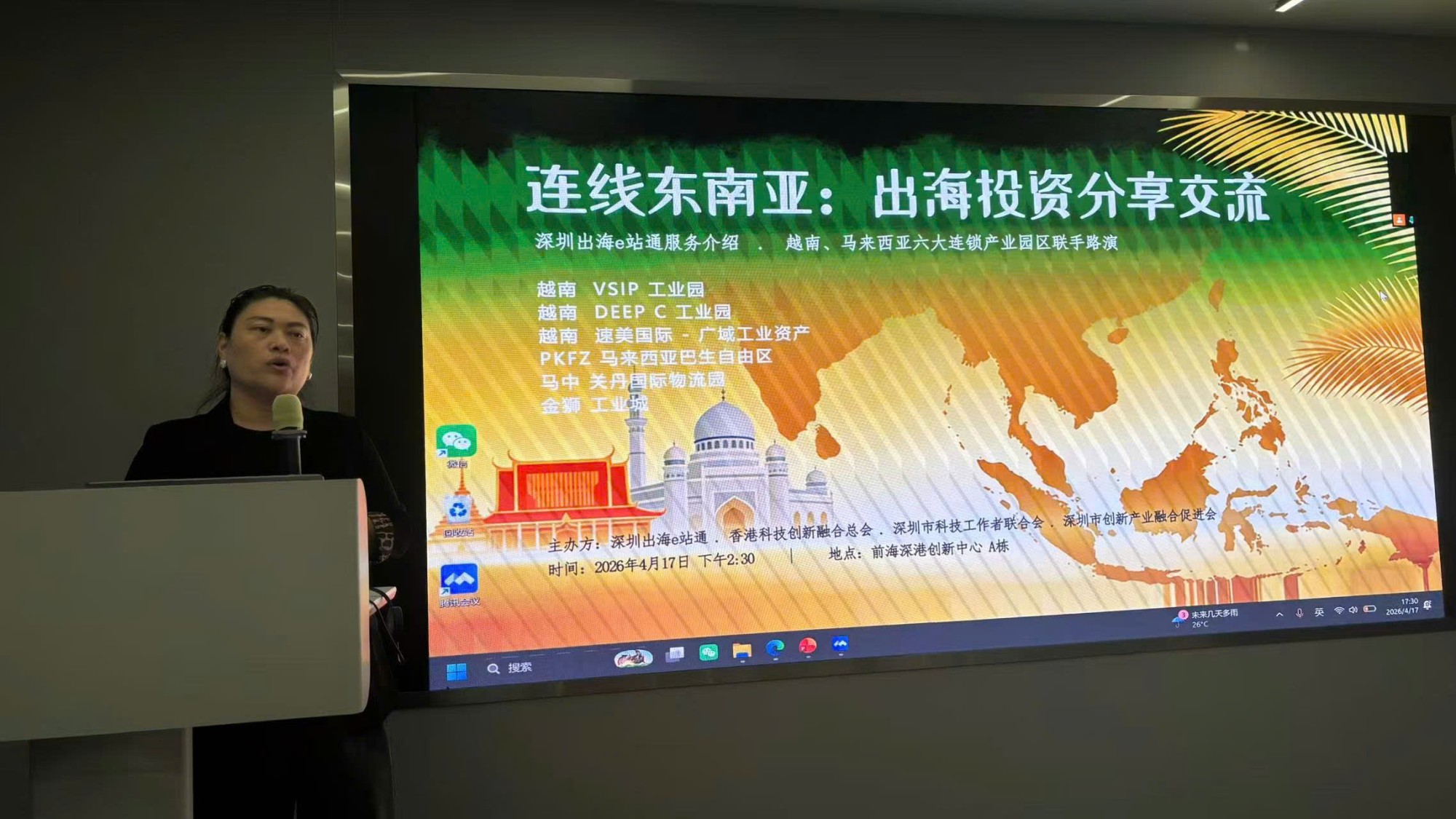
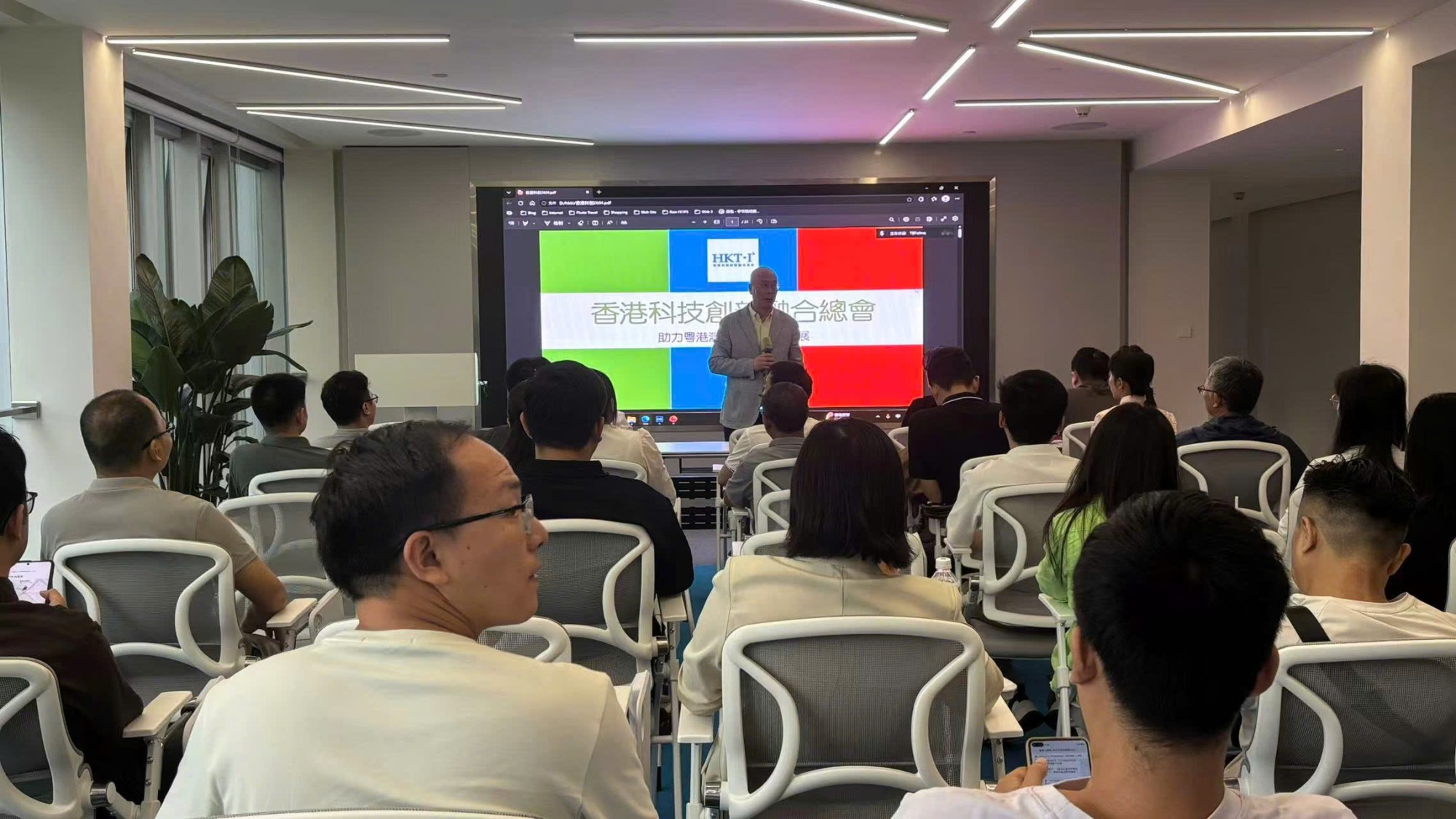
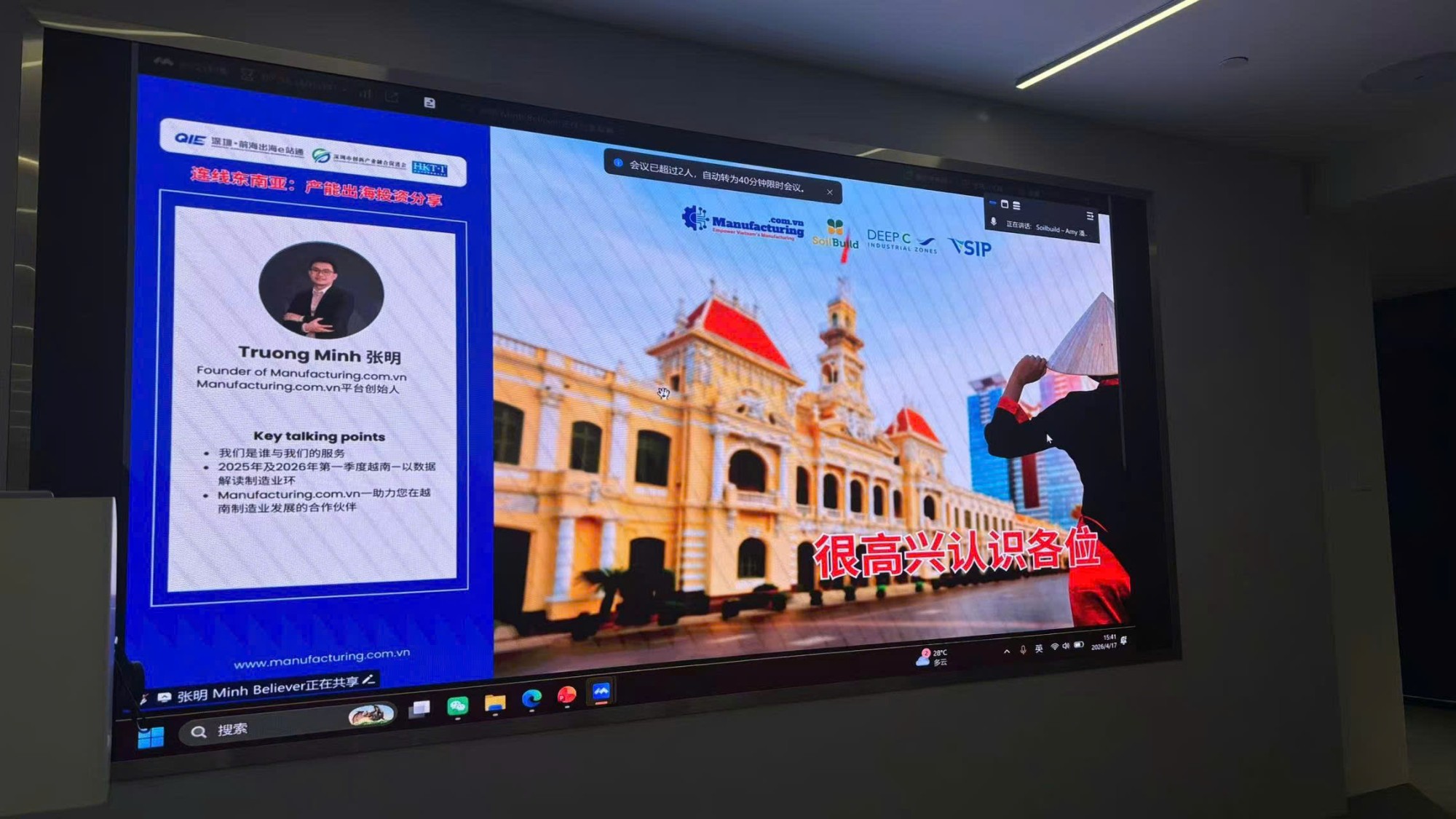
A cross-border investment forum held on April 17 in Shenzhen highlighted the accelerating shift of manufacturing capacity to Southeast Asia and the growing role of coordinated China–ASEAN industrial development. The event brought together over 50 entrepreneurs from Shenzhen, Hong Kong, and Guangzhou, alongside the official launch of Vietnam and Malaysia committees under the Hong Kong Innovation and Technology Integration Association to support outbound investment.
Supply Chain Shift Drives Regional Integration
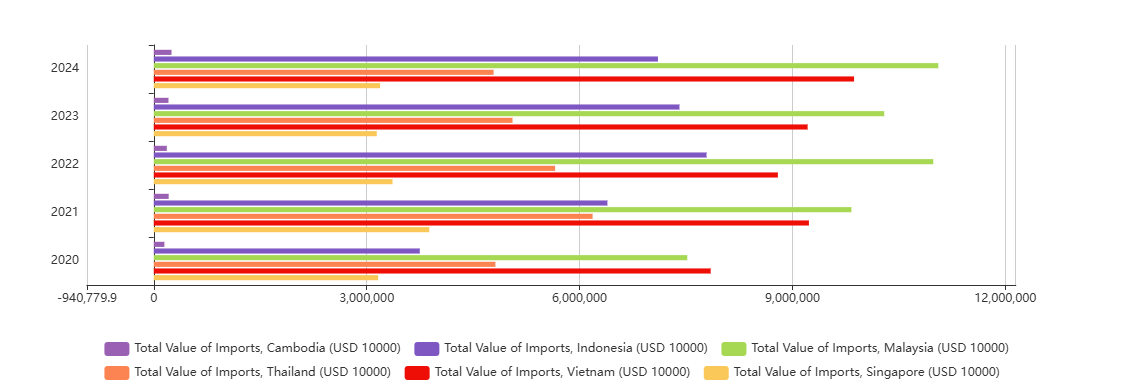
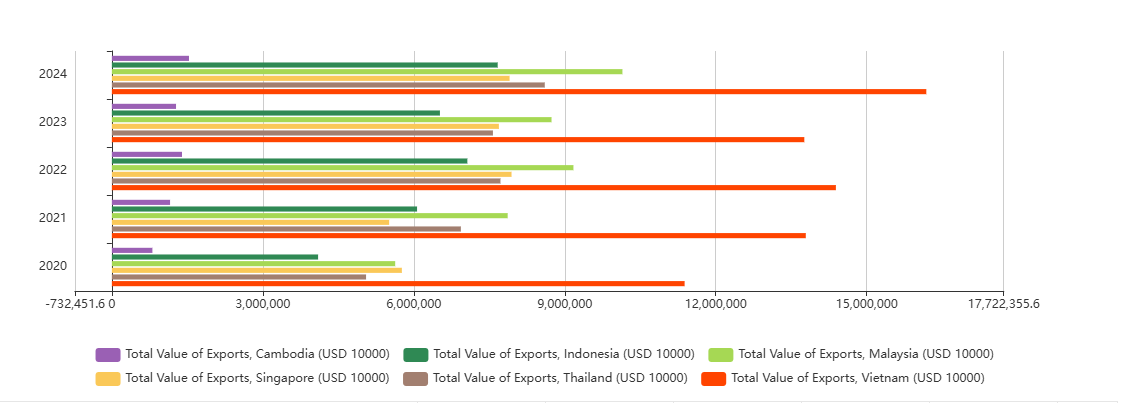
The ongoing restructuring of global supply chains is pushing segments of China’s manufacturing capacity toward Southeast Asia. This transition is driven by cost pressures, supportive regional policies, and geopolitical risk diversification. Countries such as Vietnam and Malaysia are emerging as key destinations, particularly for labor-intensive industries like textiles, apparel, and electronics assembly.
Rather than a simple relocation of production, the shift reflects a broader model of industrial coordination. Lower-end manufacturing moves outward, allowing China to upgrade toward higher-value production, while Southeast Asian economies gain employment, industrial capacity, and faster economic growth.
Industrial Parks Present Structured Entry Points
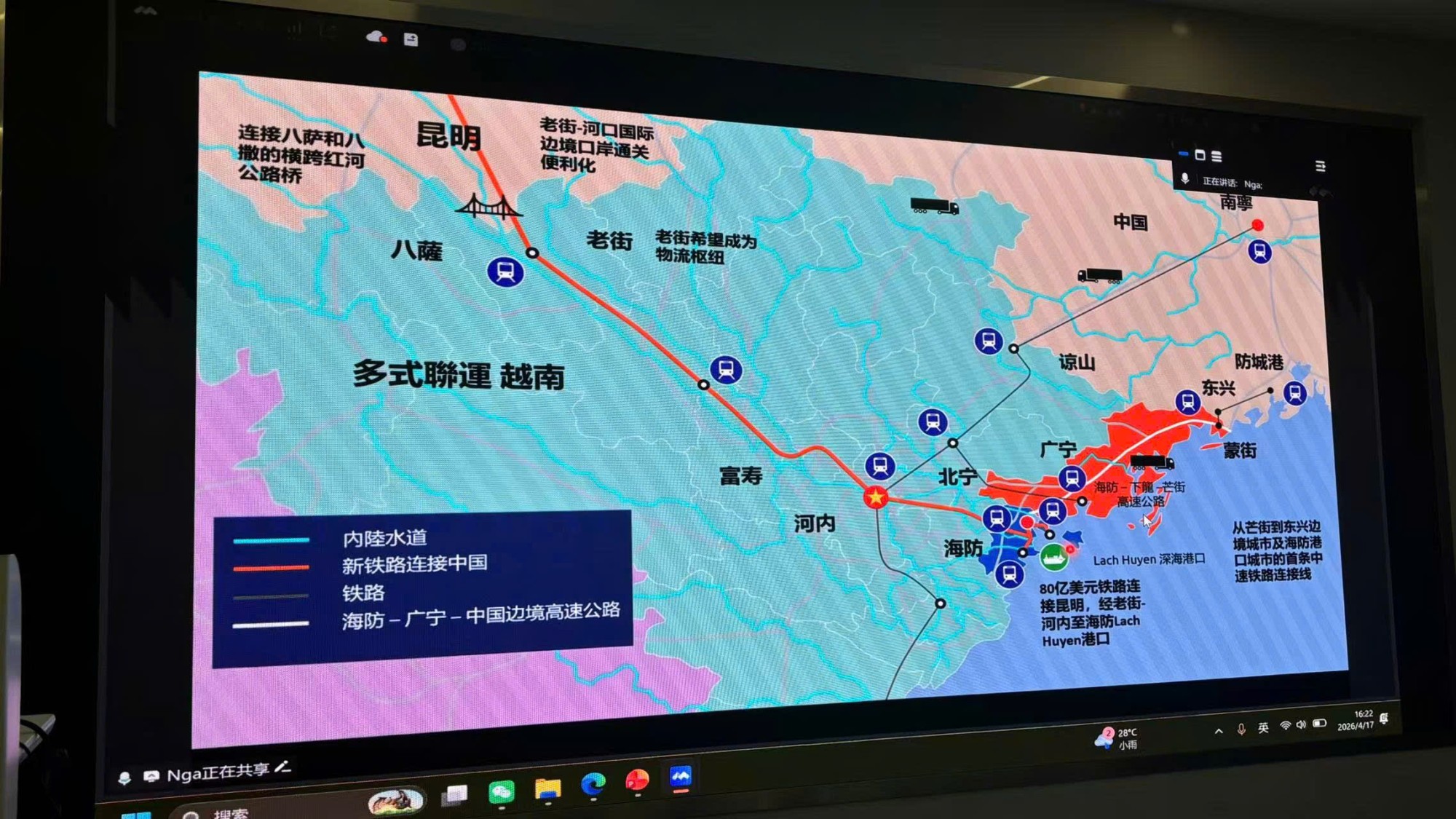
The forum featured a joint roadshow of six industrial parks across Vietnam and Malaysia. Representatives introduced investment conditions, including geographic advantages, policy frameworks, labor availability, and operational services.
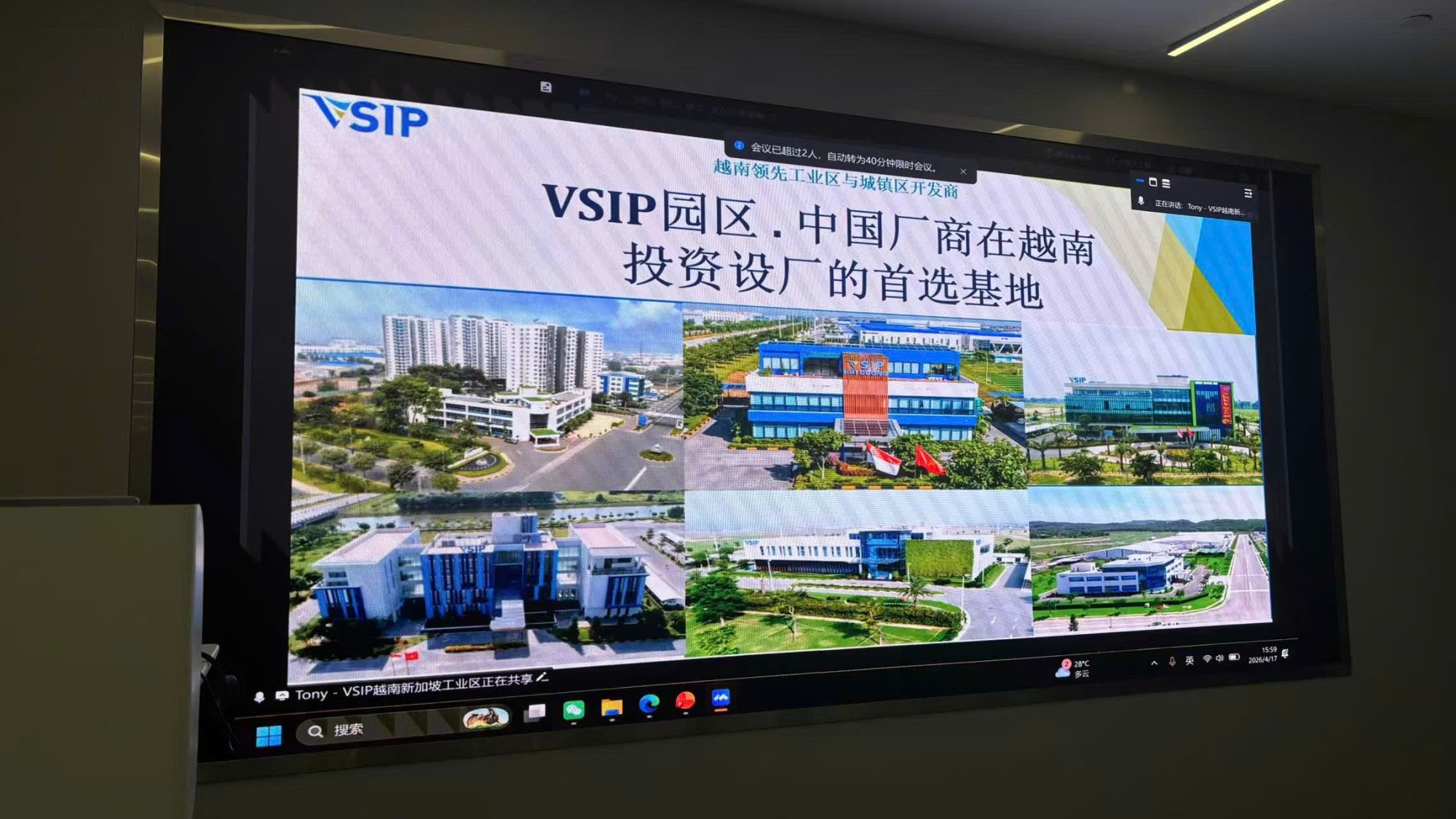
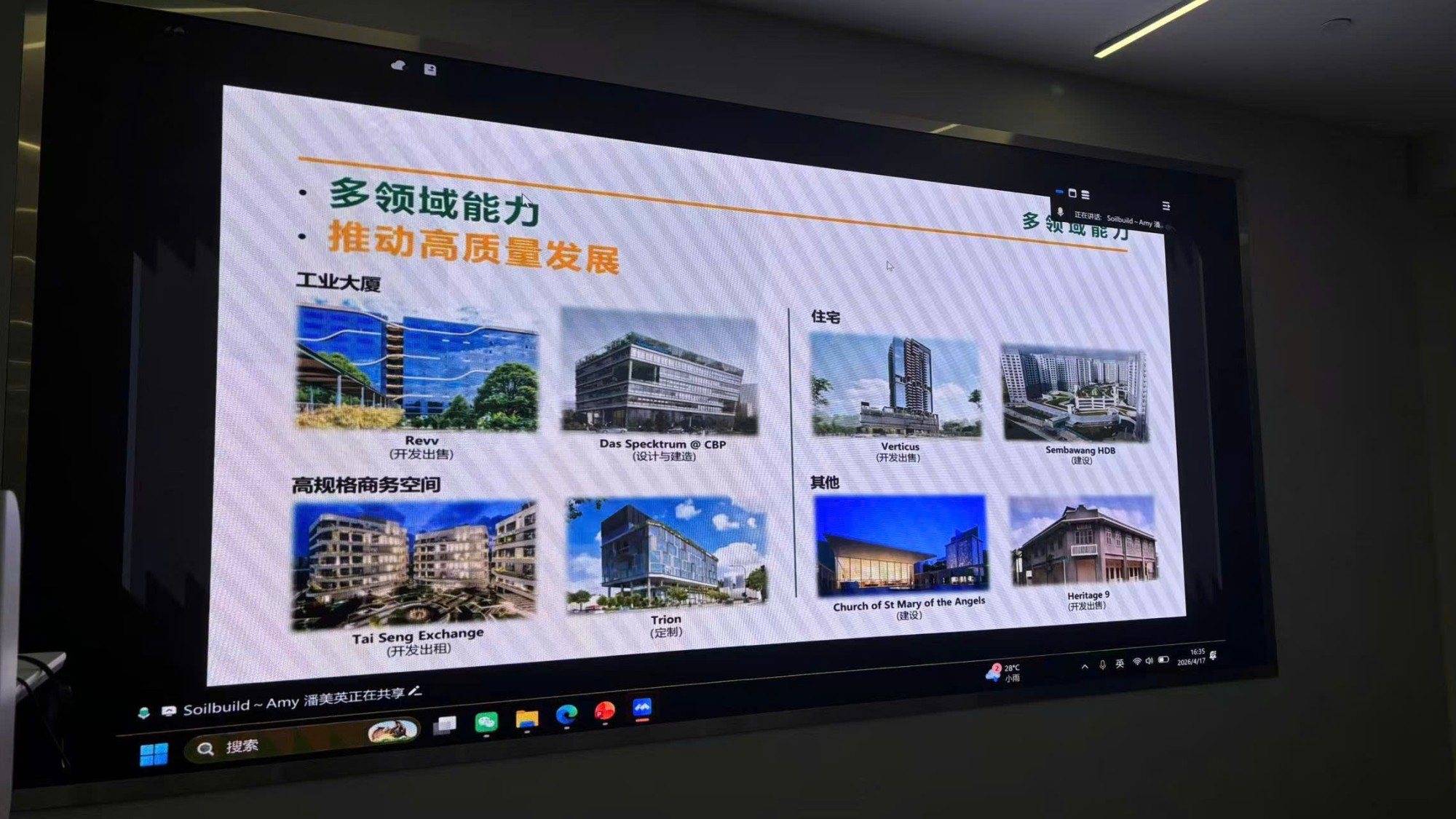
In Vietnam, industrial zones such as VSIP, Deep C, and Soilbuild International outlined their positioning within established manufacturing clusters. In Malaysia, the Malaysia–China Kuantan Industrial Park, Port Klang Free Zone, and Lion Industrial City presented logistics connectivity and policy incentives aimed at foreign investors.
.jpg)
These industrial platforms are positioned as structured entry points for Chinese enterprises seeking to expand production into Southeast Asia under more predictable regulatory and operational environments.
New Committees Aim to Strengthen Local Execution
To improve on-the-ground coordination, the Hong Kong Innovation and Technology Integration Association formally established its Vietnam and Malaysia committees. Minh Truong and Fatina were appointed as secretaries-general to lead local operations and resource integration.
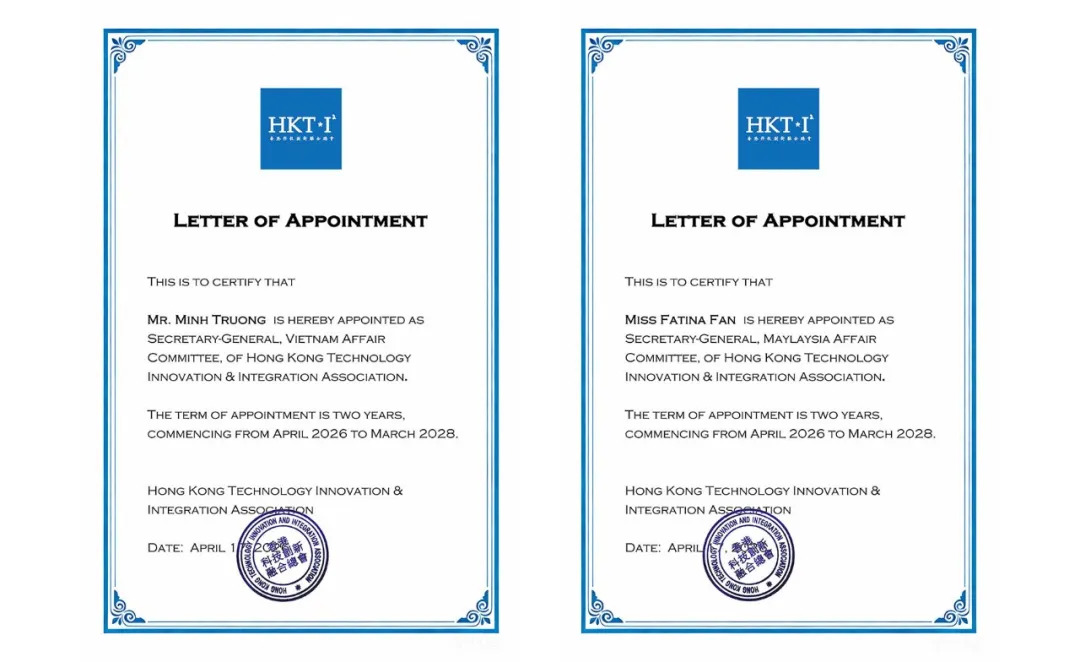
The initiative aims to streamline market entry, strengthen local partnerships, and provide ongoing support for Chinese companies operating in both countries.
Compliance and Strategic Alignment Remain Critical
The event concluded with a session on cross-border investment compliance led by a legal advisor, emphasizing regulatory adherence as a key factor in successful overseas expansion.
As infrastructure connectivity under regional initiatives continues to improve, industrial relocation is expected to extend further along the value chain. The emerging model—China as a research and development hub combined with Southeast Asia as a manufacturing base—signals a more integrated and mutually beneficial regional production system.
Manufacturing is the Heart of the Industrial Sector. And we are proud to serves as a Central Platform Where Manufacturing Opportunities Connect. Our focus is to help foreign and domestic companies Invest, Manufacture and Grow in the emerging Vietnam's industrial market by offering trusted, reliable yet speedy services and opportunities.
Is your business being overlooked? Sign up your profile now!
📞 Hotline: 094 392 36 82🌐 Website: https://manufacturing.com.vn/
📧 Email: info@manufacturing.com.vn
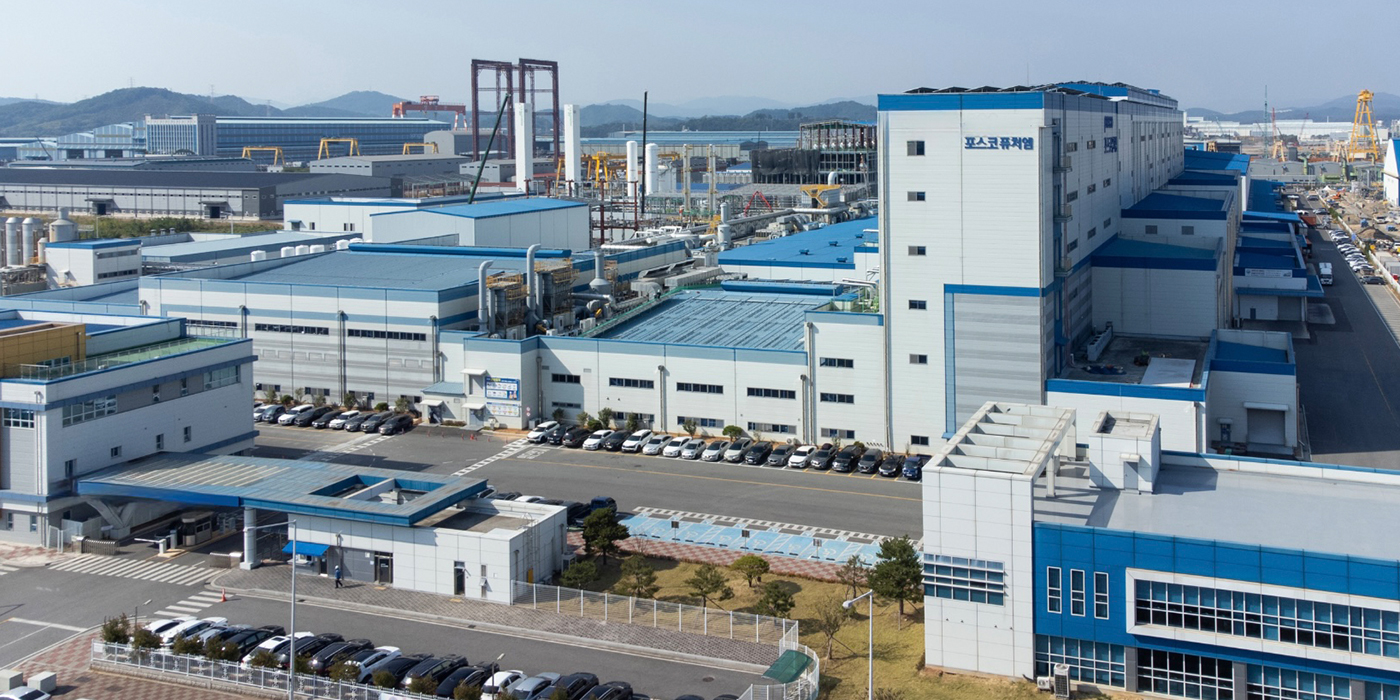
POSCO Future M is moving to expand its global battery-materials footprint with a major new investment in Vietnam, following what the company described as the largest anode-material contract since it entered the business.
Tuesday, 17 Mar, 2026
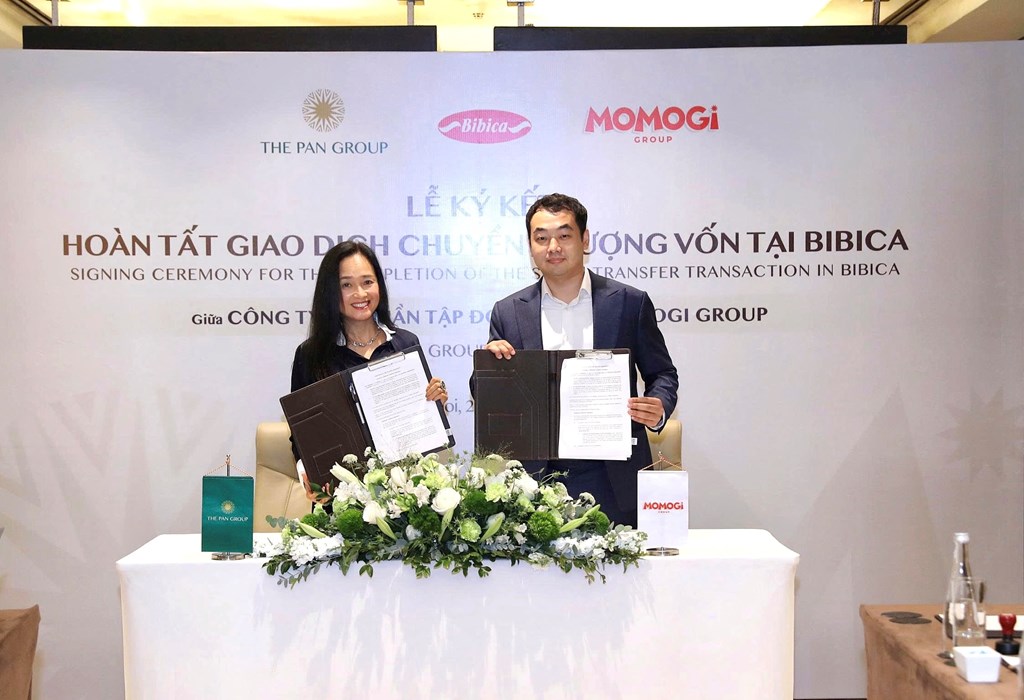
PAN Group (HOSE: PAN) has completed the transfer of its stake in Bibica, marking a major ownership change for one of Vietnam’s long-established confectionery brands. The transaction was executed through the sale of PAN’s entire capital contribution in Bibica Capital LLC to Momogi Group VN LLC, a member of Indonesia’s Momogi Group.
Tuesday, 31 Mar, 2026
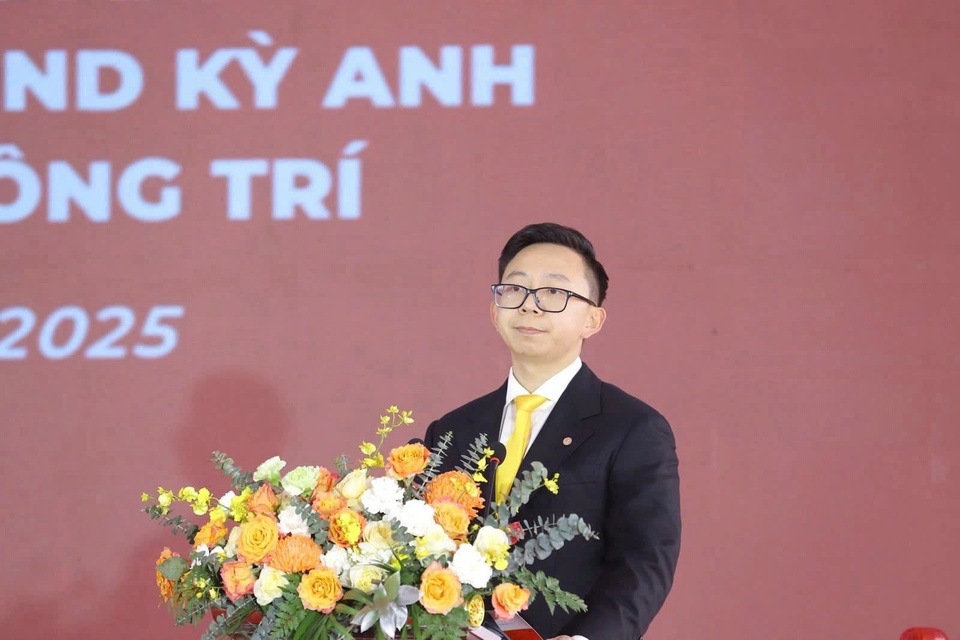
On December 19, Vingroup officially broke ground on a series of major industrial and energy projects at the Vinhomes Vung Ang Industrial Park in Ha Tinh. The largest of these is the VinMetal steel manufacturing plant, with a planned investment of nearly 89 trillion VND (~$3.6 billion USD). Other developments include two large-scale wind power plants and a modern residential township.
Saturday, 20 Dec, 2025
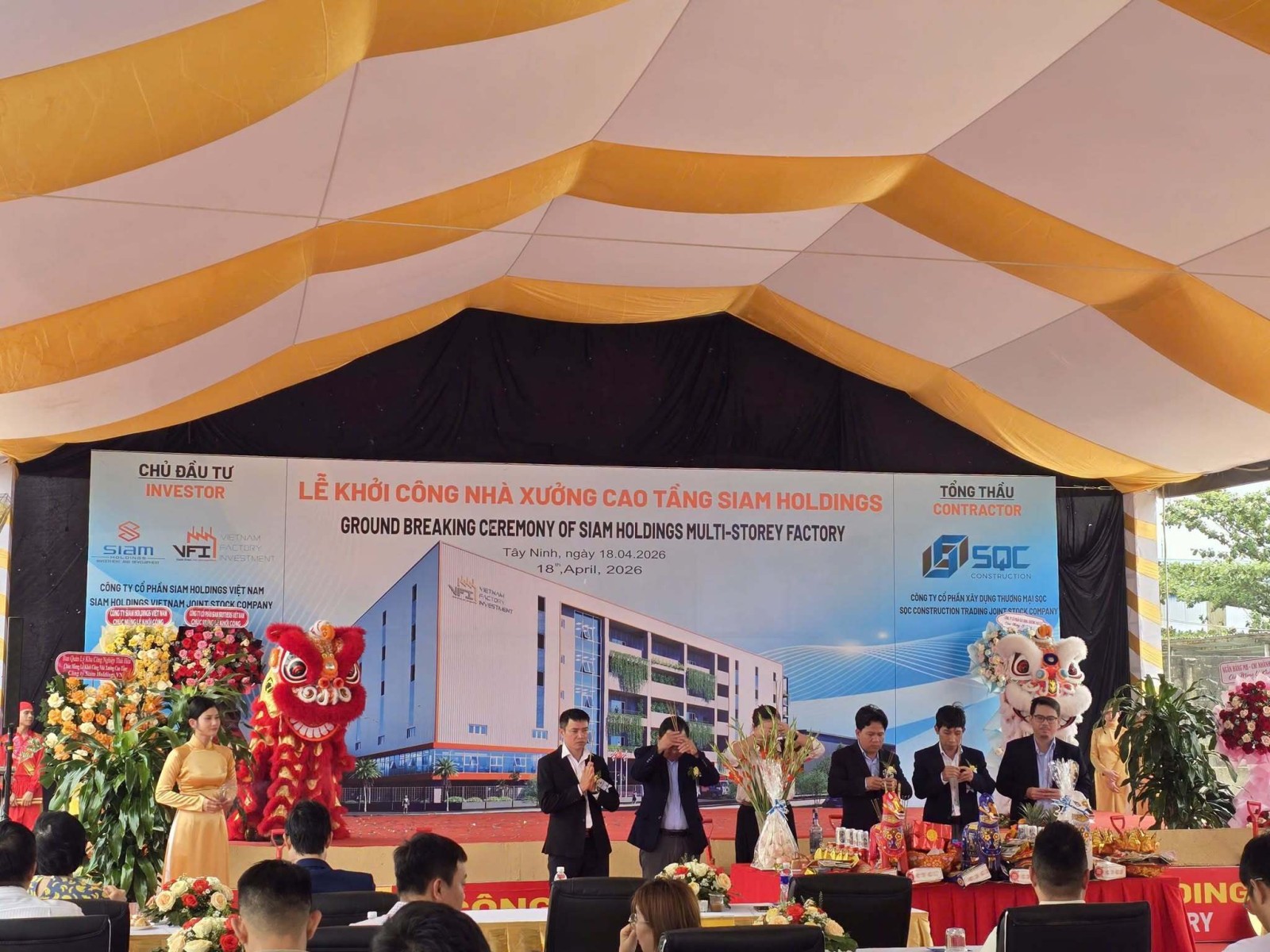
Siam Holdings and VFI VN have broken ground on a multi-storey rental factory project in Tay Ninh Province. The development will provide 14,426.3 square metres of modern industrial space for manufacturing and logistics tenants, with construction scheduled from April 2026 to November 2026.
Monday, 20 Apr, 2026
On March 13, 2026, KPF Vietnam officially broke ground on its second manufacturing facility in Hai Phong, marking a clear step in scaling its production footprint in Vietnam.
Friday, 20 Mar, 2026
The go-to platform for Expert Voices. Get to know more about the people behind the business. Book to meet with the right experts for your business needs.
Service detailThe go-to Community for Industrial growth. Meet, interact, showcase and find opportunities with professionals across different industries, across borders.
Service detail