Big trade numbers alone no longer guarantee sustainable growth. The real challenge for Vietnam is turning strategic messages into clear, executable actions that improve value retention, resilience, and long-term competitiveness.
To address the structural limits highlighted in recent trade performance, six priority action groups stand out. Together, they form a practical roadmap for upgrading Vietnam’s trade model from expansion-driven to quality-led growth—an approach increasingly relevant for foreign investors assessing Vietnam’s next phase.
The first shift is conceptual but critical: moving away from headline trade turnover as the main success metric.
Policy and execution need to focus on:
Value added and net economic efficiency, not gross volume
Indicators that capture green transition, digitalization, and knowledge intensity
Measuring how much value is retained domestically, rather than how large trade flows appear
For investors, this signals a more disciplined approach to evaluating projects based on productivity, sustainability, and long-term returns—not just scale.
Sustainable trade growth cannot rely indefinitely on foreign-invested firms alone. The second priority is strengthening the domestic private sector as a core pillar of exports.
This means:
Placing domestic firms at the center of industrial and trade policy
Supporting deeper participation in global value chains
Using green transformation, digital tools, and skills upgrading to close capability gaps
For foreign investors, this creates opportunities for partnerships, supplier development, and ecosystem-building rather than isolated production bases.
Vietnam’s dependence on imported inputs remains a structural weakness. The third initiative focuses on developing supporting and foundational industries aligned with sustainability and digitalization.
Key directions include:
Energy efficiency, emissions reduction, automation, and digital production systems
Formation of industry clusters integrating green production, digital management, and technological innovation
Expanding domestic manufacturing capacity to reduce import reliance
This shift supports more resilient supply chains and enhances Vietnam’s attractiveness for long-term manufacturing investments.
Future export strength will come from what Vietnam exports, not just how much.
Priority is placed on:
Knowledge-intensive sectors with higher value retention
Deep processing in agriculture and seafood
Technology products and export-linked services
Stronger investment in R&D, branding, intellectual property, and international standards
For investors, this signals growing policy alignment with innovation-led and premium-market strategies rather than cost-driven competition.
Trade competitiveness increasingly depends on infrastructure quality. The fifth action group emphasizes green and digital modernization across logistics and trade systems.
Focus areas include:
Digitalization and data connectivity across supply chains
Greener logistics to reduce costs and emissions
Greater transparency and efficiency to support global integration
This directly lowers transaction costs and improves execution reliability—two factors investors value as much as incentives.
The final priority is proactive adaptation to the new rules of global trade, especially around sustainability and responsibility.
This includes readiness for:
Carbon-related taxes and environmental standards
Labor and responsible supply chain requirements
Integrating green, digital, and knowledge-based criteria into FTA utilization and market expansion strategies
Rather than reacting to external pressures, this approach positions Vietnam as a compliant and forward-looking trade partner.
Across all six action groups, one theme is consistent. Trade restructuring is anchored in three catalytic growth drivers:
Green economy to overcome environmental barriers and secure long-term market access
Digital economy to modernize trade systems, reduce costs, and increase transparency
Knowledge economy to shift from low-cost advantages to innovation, technology, and higher value creation
The message is clear: the six initiatives provide the action framework, but green, digital, and knowledge-based transformation will determine how deep, resilient, and competitive Vietnam’s trade growth becomes in the coming decade.
For foreign investors and global businesses, this marks a transition from volume-driven opportunity to value-driven partnership—and that is where the next wave of opportunity lies.
Source:
Nguyễn Bích Lâm
Former Director General, General Statistics Office of Vietnam
Victory Giant Technology’s Vietnam revenue reached about USD 473 million in 2025, equal to 16.8% of total group revenue. The growth reflects Vietnam’s rising role in PCB manufacturing, supported by a USD 520 million factory project and demand from AI, data center and high-performance computing applications.
Wednesday, 22 Apr, 2026
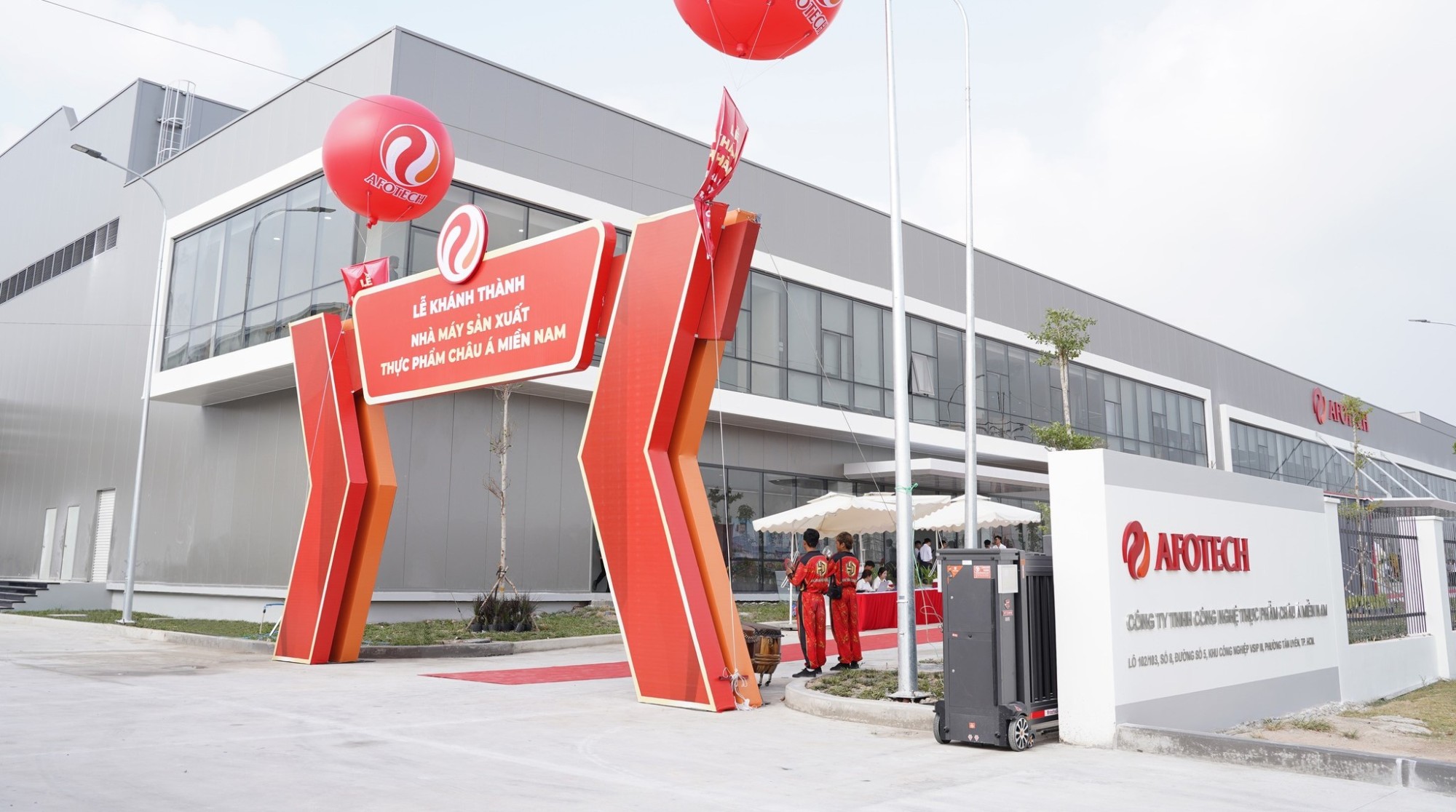
On April 8, 2026, the MIKO Food Processing Factory was officially inaugurated at VSIP III Industrial Park in Binh Duong, marking the company’s largest investment project in Vietnam to date. Covering 40,000 square meters, the facility is designed to meet stringent food safety and hygiene standards while supporting modern, environmentally responsible production.
Friday, 10 Apr, 2026
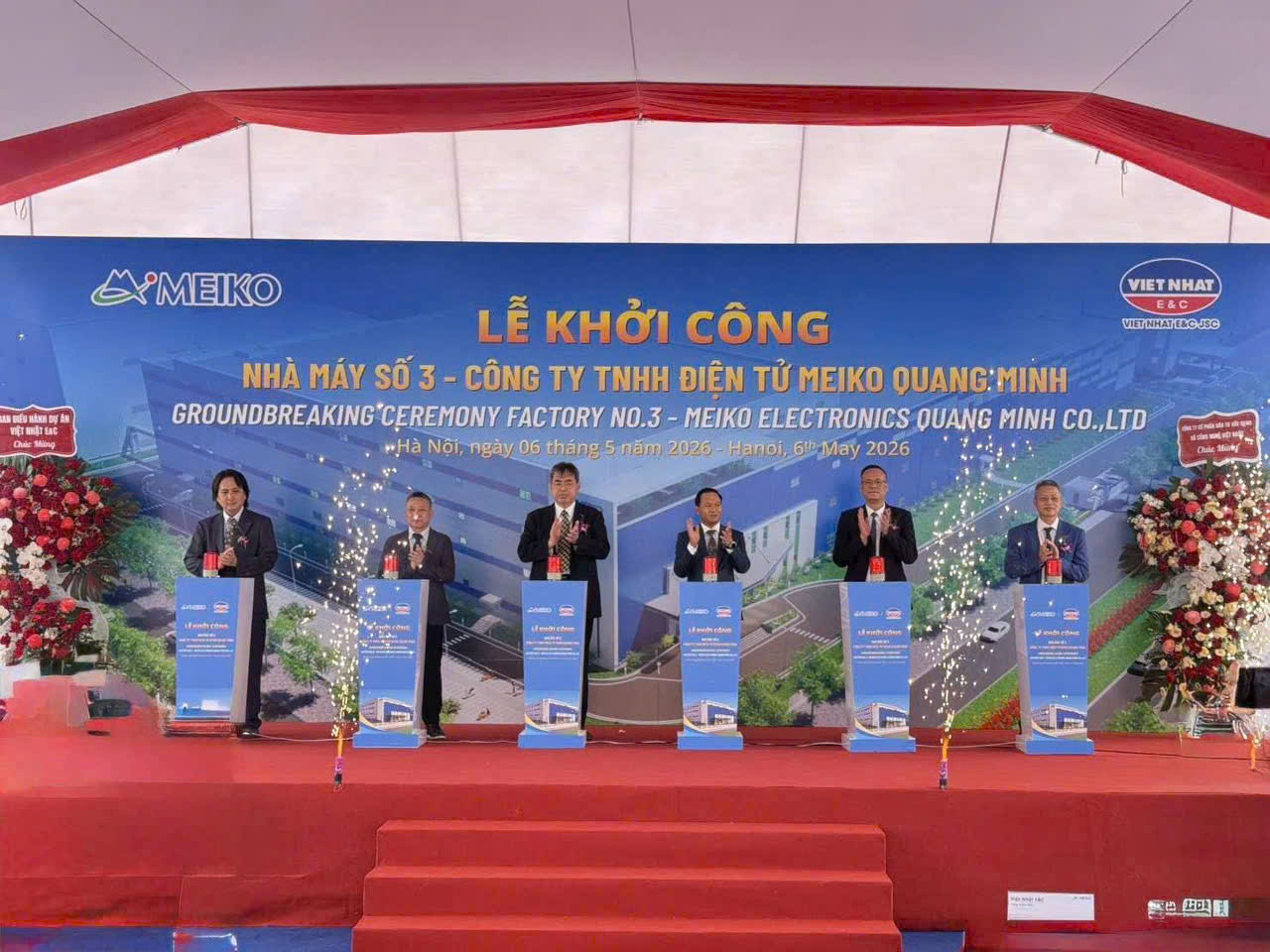
PCB Global Brand has started construction of a USD 255 million factory in Quang Minh, Hanoi. The facility will produce advanced HDI printed circuit boards for AI smartphones, 5G systems and electric vehicles, with mass production planned for 2027 and annual revenue targeted at 30 billion yen by 2029.
Thursday, 07 May, 2026
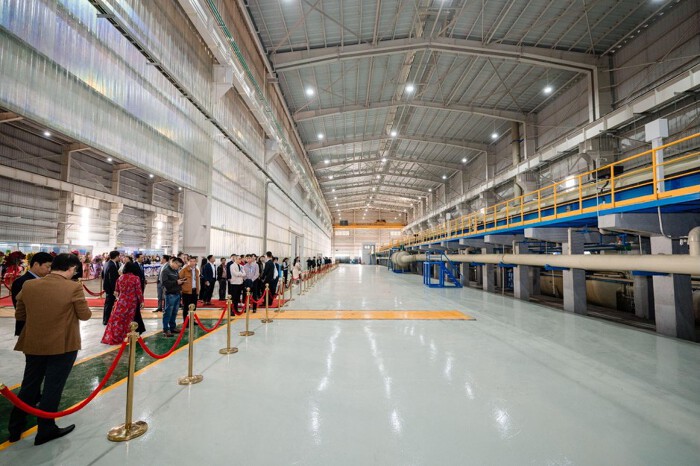
With an initial investment of USD 45 million, Ton Viet Phap has officially put its Cold-Rolled Steel Plant No. 2 into operation.
Saturday, 20 Dec, 2025
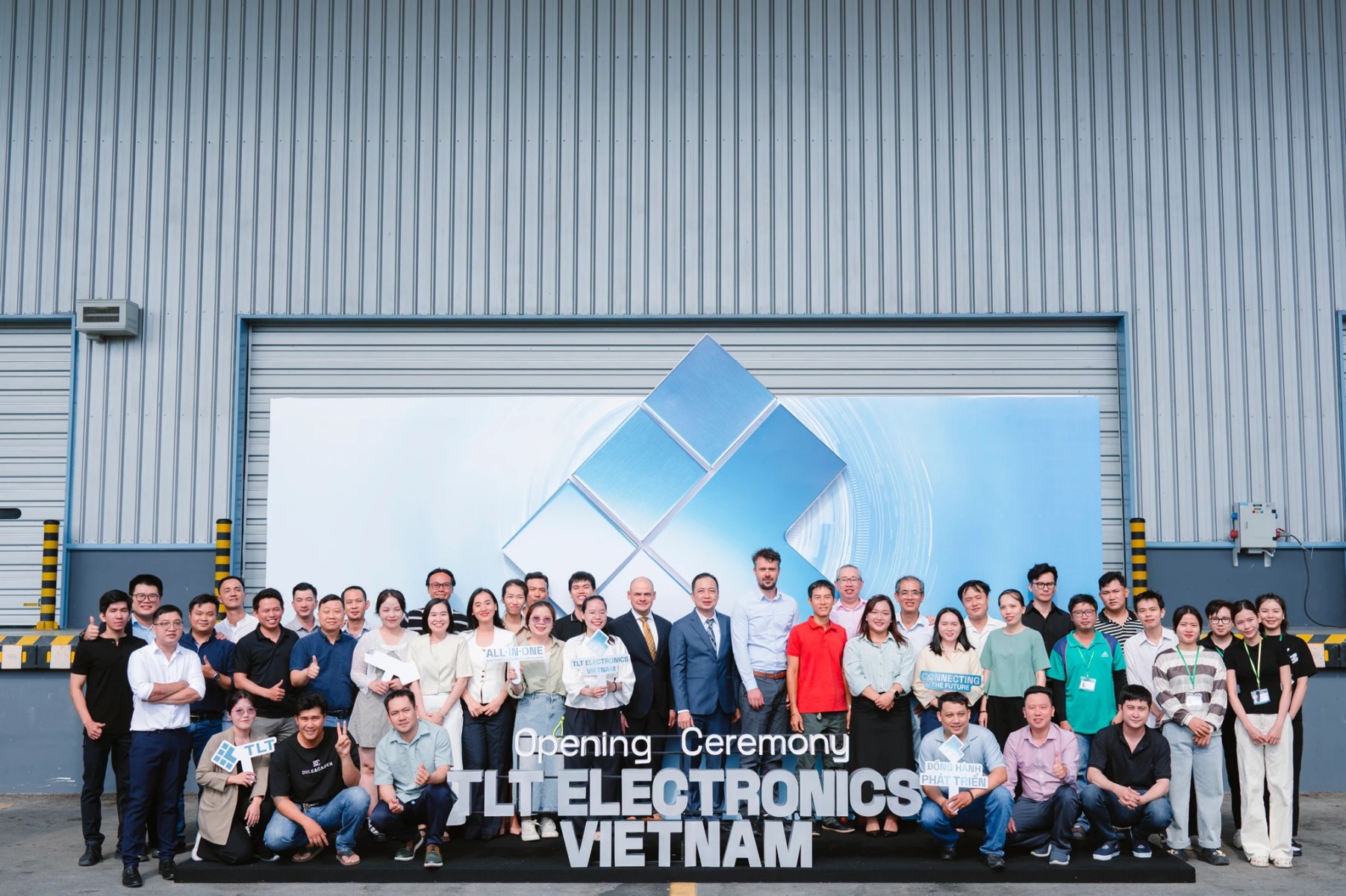
TLT Manufacturing opened its first Vietnam plant on May 5, 2026 in Tay Ninh. Operating as TLT Electronics Vietnam, the facility adds SMT, THT, laser marking, X-ray inspection and quality control capacity, giving customers an Asian electronics manufacturing option alongside TLT’s European operations.
Friday, 15 May, 2026
The go-to platform for Expert Voices. Get to know more about the people behind the business. Book to meet with the right experts for your business needs.
Service detailThe go-to Community for Industrial growth. Meet, interact, showcase and find opportunities with professionals across different industries, across borders.
Service detail